The Next Decade: What Victory Looks Like, and How to Get There That environment, built through patient and consistent engagement over a decade, is worth more than any single military or financial advantage measurable in a given year.
Financing the Future: How Public and Private Capital Can Win the Eurasian Investment Race The United States, it is argued, cannot match that kind of state-driven capital deployment and therefore cannot compete on infrastructure. This objection misunderstands both the nature of the competition and the actual financing tools the United States has available.
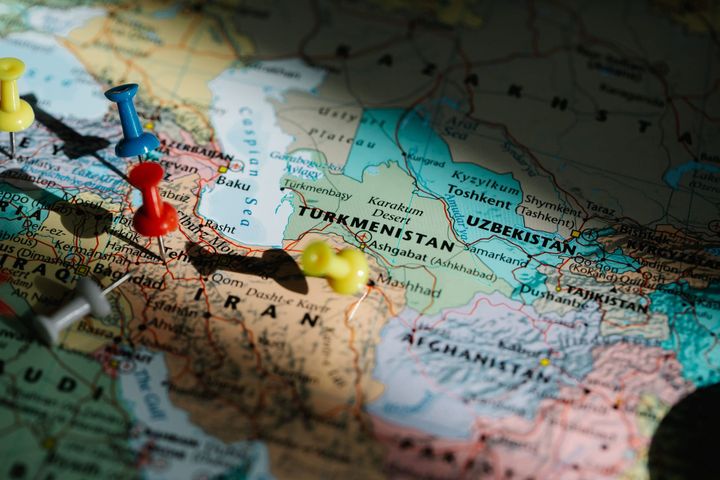
The Central Asian Pivot: Why the Heart of Eurasia Matters More Than You Think They have young, rapidly urbanizing populations, governments that are seeking, with varying degrees of enthusiasm, to reduce historical dependence on Russia's economic and security architecture, and a growing appetite for the technology partnerships and infrastructure investment that the
Engaging the Estranged: Iran and the Diplomacy of Incremental Possibility The current state, decades of sanctions, no diplomatic relations, and mutual mistrust calcified by generations of confrontation, is not a stable equilibrium. It is a frozen conflict that costs both sides and forecloses options that American strategy might otherwise have.
The Russia Problem: Managing Moscow Without Surrendering the Field The Trans-Siberian Railway, the pipeline networks running from Siberia to Europe and China, the Russian language and cultural influence extending across Central Asia and the Caucasus: these are not preferences that can be wished away.
The China Question: Competing Without Catastrophe It requires a framework for navigating competition that is sharp enough to be effective and disciplined enough to avoid escalation into confrontation that would damage the global economy, destabilize American alliances, and produce outcomes far worse than the status quo of managed rivalry.
The Trade Architecture: Building Economic Frameworks That Work Across Eurasia This is partly a function of domestic politics in the United States, where large trade deals have become politically toxic regardless of their economic merits. But it is also a genuine evolution in how international economic cooperation works.