

Latest
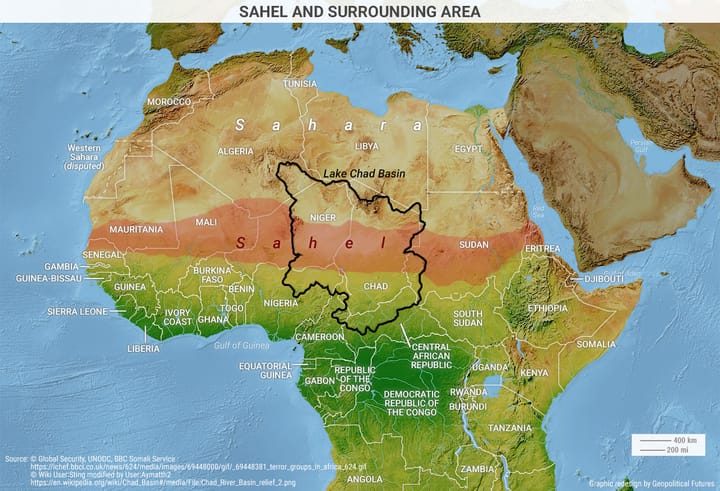
The Sahel: America's Most Difficult Diplomatic Frontier
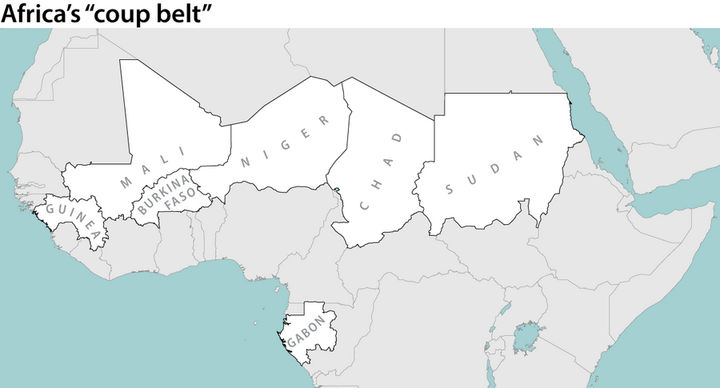
West Africa: Anchor Economies and the Coup Belt Challenge
West Africa's strategic logic starts with two countries: Nigeria and Ghana. Get those relationships right, and you have a foundation for everything else.

East Africa: Silicon Savannah, Security Hotspots, and U.S. Priorities
Kenya has been a cornerstone U.S. partner for six decades; a democratic anchor in a turbulent neighborhood, a regional financial hub, and home to Silicon Savannah, a tech ecosystem that has produced fintech giants, agritech startups, and a generation of engineers

Why Africa Is America's Next Great Strategic Opportunity
And yet the U.S. has spent years treating Africa primarily as a humanitarian challenge; a region defined by its crises rather than its extraordinary potential. That framing is not just outdated. It is strategically costly. China became Africa's largest trading partner in 2009
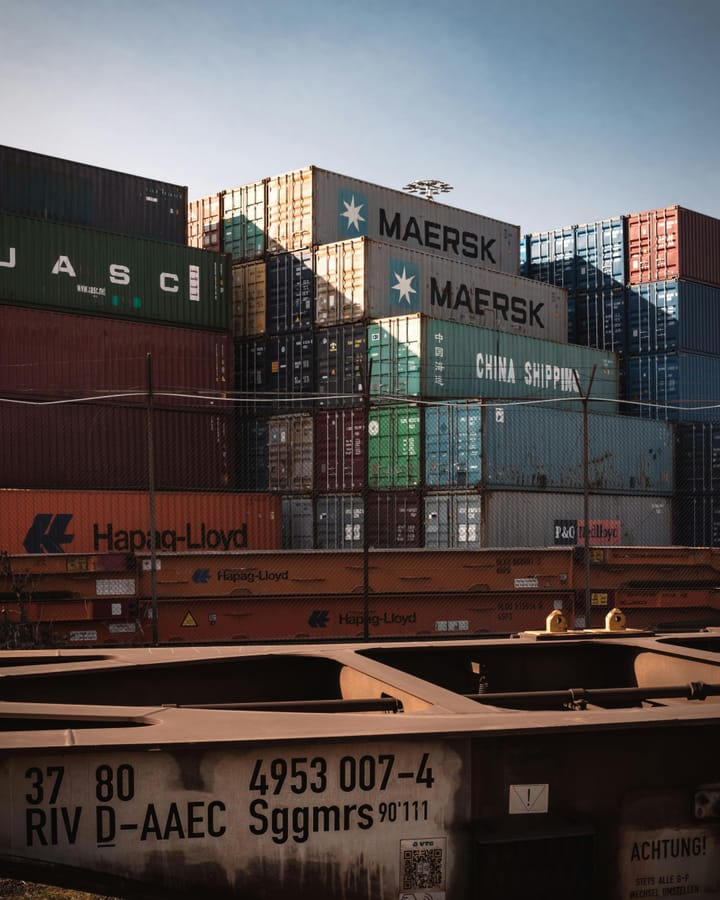
Supply Chains of the Free World: Building a Secure Pan-American Network

Financing the Alliance: Mobilizing Investment for U.S.-Latin Projects

The New Resource Race: Securing Critical Minerals in the Americas
In the 21st century, critical minerals are the new oil, essential inputs for high-tech economies, from the lithium in electric vehicle batteries to the rare earth elements in wind turbines and fighter jets.

Building Bridges, Not Walls: Infrastructure as the Backbone of Hemispheric Integration
To realize the vision of a connected and prosperous Western Hemisphere, investing in critical infrastructure across the Americas is paramount. Roads, ports, power grids, broadband networks, these concrete foundations enable everything else: trade flows, digital economies,

Navigating Adversaries: A Strategy for Latin America’s Distant States (Tier 3)
These are the Tier 3 states: distant or adversarial governments that have strained or openly antagonistic relations with Washington.

Broadening the Coalition: Engaging Latin America’s “Middle” Partners (Tier 2)
Beyond the inner circle of steadfast allies, there’s a wider ring of Latin American countries that are friendly with the U.S. but not yet deeply integrated into its strategic initiatives.

Anchoring the Alliance: Closest Allies in Latin America (Tier 1 Partners)
Every successful alliance has its core anchors, those partners with both the capability and the will to drive joint initiatives. In the context of U.S.-Latin America trade and tech alliances, the “Tier 1” countries represent Latin America’s closest allies with strong existing partnerships.

A Prosperous Hemispheric Alliance: Vision 2030-2040 (Long-Term Strategy)
Fast forward to the mid-2030s. What does success look like for the U.S. and Latin America? The ultimate goal of the strategy is nothing less than a prosperous hemispheric alliance, a deeply integrated economic and technological community spanning from Canada to Chile.

Deepening the Partnership: Mid-Term Strategies for Hemispheric Growth (3-5 Years)
ith the initial groundwork laid, the U.S.-Latin America alliance must pivot to a more ambitious phase. Over the mid-term (3-5 years), the name of the game is deepening, expanding the circle of partnership, building capacity, and cementing the institutional ties that will carry the alliance forward.